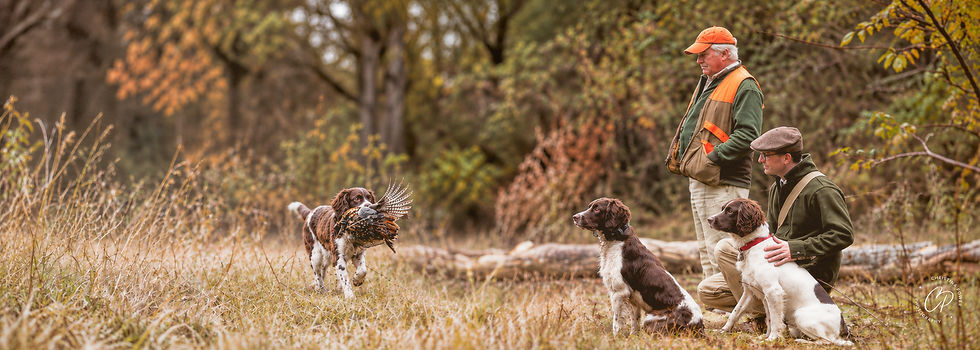
Transform Your Spaniel: Effective Training for Busy Owners

Updated: Feb 10
Training a spaniel, especially energetic breeds like English Springer and Cocker Spaniels, can feel like trying to catch a whirlwind. Ever found yourself wondering, How do I get my dog to listen without losing my mind? We all have been there. The good news? With the right approach, you can turn that whirlwind into a well-behaved, eager-to-please companion. Let’s dive into some effective dog behavior training methods that work, even for the busiest owners.
Why Dog Behavior Training Matters for Spaniels
Spaniels are lively and bred for specific tasks like flushing game. But that energy can quickly turn into chaos if not channeled properly. Have you noticed your spaniel darting off during walks or ignoring your calls? That’s where behavior training steps in.
Behavior training isn’t just about obedience; it’s about communication. It’s teaching your dog how to behave in different situations and why it matters. When you understand this, training becomes less of a chore and more of a bonding experience.
Here’s something to think about: consistency is king. Whether it’s teaching a simple “sit” or more complex hunting commands, your dog needs clear, consistent signals. Mixed messages? They’ll confuse your dog and slow progress.
Practical Tip:
Start with short, focused sessions. Five to ten minutes, two or three times a day. It’s better than one long, exhausting session where both of you lose focus.

Core Training Techniques That Work
Let’s get into the nitty-gritty. What methods actually deliver results? Here are some tried-and-true techniques that have worked wonders for countless other spaniel owners.
1. Positive Reinforcement
Ever heard the phrase, catch them being good? Positive reinforcement is exactly that. Reward your dog immediately when they do something right. Treats, praise, or a quick play session can work wonders.
Why does this work? Dogs naturally want to repeat behaviors that bring rewards. It’s simple psychology. And it builds trust. Your dog learns that listening to you means good things happen.
2. Clicker Training
If you haven’t tried clicker training, you’re missing out. It’s a method where a small device makes a distinct “click” sound the moment your dog performs the desired behavior. The click marks the exact behavior you want, followed by a reward.
This precision helps your dog understand what you want faster. Plus, it’s fun! We’ve seen shy spaniels become more confident and eager to learn with clicker training.
3. Consistent Commands and Signals
Using the same words and gestures every time is crucial. Imagine if you said “sit” one day and “sit down” the next. Confusing, right? Your dog feels the same way.
Pick simple commands and stick to them. Use clear hand signals too. Spaniels are visual learners, so combining verbal and visual cues speeds up learning.
4. Controlled Socialization
Spaniels are social dogs, but uncontrolled interactions can lead to distractions or bad habits. Controlled socialization means exposing your dog to new environments, people, and other dogs in a calm, structured way.
This helps your dog stay focused and confident, even in busy or noisy settings. It’s especially important for flushing breeds who need to stay attentive during hunts or competitions.
How to Handle Common Challenges
Training isn’t always smooth sailing. Ever felt stuck when your dog just won’t obey? We’ve faced those moments too. Here’s how to tackle some common hurdles.
The “Too Excited to Listen” Spaniel
Spaniels are naturally energetic. When excitement takes over, commands can go in one ear and out the other. What works here? Channel that energy first.
Try a quick game of fetch or a brisk walk before training. A slightly tired dog is more likely to focus. Also, keep training sessions upbeat and fun. If your dog senses your frustration, they’ll tune out.
The Distracted Dog
If your spaniel is easily distracted, break training into smaller steps. Start in a quiet room, then gradually add distractions like other people or noises. Reward heavily for focus.
Using a long leash during outdoor training can help maintain control while allowing some freedom. Remember, patience is key.
The Stubborn Pup
Sometimes, your dog might just dig in their paws. Don’t force it. Instead, try changing the reward or the training environment. Some dogs respond better to toys than treats, or vice versa.
Also, check if your dog is feeling unwell or stressed. Physical discomfort can affect behavior.

Building a Strong Relationship Through Training
Training isn’t just about rules. It’s about building a relationship based on trust and respect. When your dog trusts you, they’re more willing to listen and learn.
Here’s what we do to strengthen that relationship:
Spend quality time together outside of training. Walks, playtime, or just chilling on the couch.
Use a calm, confident tone during training. Dogs pick up on your energy.
Celebrate small wins. Every step forward deserves recognition.
Be patient and forgiving. Mistakes happen, and that’s okay.
Remember, your dog isn’t just a pet; they’re a partner. Training is a two-way street.
Getting Started with Spaniel Training Today
Ready to take the plunge? Here’s a simple plan to kick off your training journey:
Set clear goals - What behaviors do you want to improve? Sitting, recall, hunting commands?
Gather your tools - Treats, clicker, leash, and patience.
Create a schedule - Short, regular sessions fit best into busy lives.
Start simple - Master basic commands before moving to complex ones.
Track progress - Keep a journal or notes on what works and what doesn’t.
If you want to dive deeper, check out Spanieltraining.com for expert advice tailored to busy owners like you. They specialize in turning spaniels into well-behaved, effective gun dogs while building that all-important bond.
Training your spaniel doesn’t have to be overwhelming. With the right methods and mindset, you’ll see progress faster than you think.
The Journey of Training Your Spaniel
Training your spaniel is a journey, not a race. Every dog is unique, and what works for one might need tweaking for another. But with patience, consistency, and a bit of fun, you’ll transform your dog’s behavior and deepen your connection. So, what are you waiting for? Grab those treats, and let’s get started!

