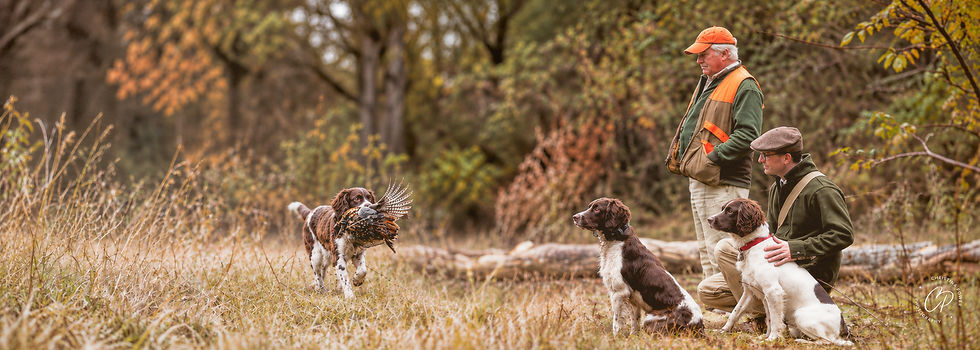
Mastering Effective Positive Reinforcement in Dog Training


Training a spaniel, especially energetic breeds like English Springer and Cocker Spaniels, can feel like a full-time job. Ever found yourself wondering if there’s a better way to get your dog to listen without the stress? The secret? Mastering effective positive reinforcement. It’s not just a buzzword—it’s a game-changer for busy owners who want well-behaved, happy dogs that excel in hunting and competition.
Let me walk you through how positive reinforcement can transform your training sessions, build trust, and make your spaniel eager to learn. Ready to dive in?
Why Effective Positive Reinforcement Works Wonders
Why do some training methods feel like a battle, while others feel like a partnership? The answer lies in how your dog perceives the experience. Positive reinforcement focuses on rewarding good behavior rather than punishing mistakes. This approach taps into your dog’s natural desire to please and learn.
Think about it: when you get a compliment or a reward for doing something right, aren’t you more likely to repeat that behavior? Dogs are no different. When they get a treat, praise, or playtime for sitting calmly or coming when called, they start associating those actions with good things.
Here’s what makes effective positive reinforcement so powerful:
Builds trust: Your dog learns that training is fun, not scary.
Increases motivation: Rewards make your dog want to try harder.
Strengthens your bond: Positive experiences deepen your connection.
Encourages consistency: Dogs repeat behaviors that bring rewards.
Using treats and enthusiastic praise.
No yelling, no frustration—just a happy dog eager to please.

How to Use Effective Positive Reinforcement in Your Training
So, how do you actually apply this in your daily routine? It’s simpler than you might think, but it requires consistency and timing. Here’s a step-by-step guide to get you started:
Choose the right rewards
Not all treats are created equal. Find what your dog loves most—whether it’s small pieces of chicken, or cheese. The reward should be valuable enough to motivate but small enough to avoid overfeeding.
Mark the behavior immediately
Timing is everything. Use a clicker or a consistent word like “Yes!” to mark the exact moment your dog does what you want. This helps your dog connect the behavior with the reward.
Keep training sessions short and frequent
Busy schedules mean you can’t spend hours training. Aim for 5-10 minute sessions multiple times a day. This keeps your dog engaged without overwhelming them.
Be clear and consistent with commands
Use the same words and gestures every time. Consistency helps your dog understand what you expect.
Gradually increase difficulty
Start with simple commands like “sit” or “hup.” Once your dog masters these, add distractions or longer durations to build reliability.
Celebrate small wins
Every step forward deserves praise. Even if your dog only gets part of the command right, reward the effort.
By following these steps, you’ll see your spaniel’s confidence and obedience grow. It’s all about creating a positive learning environment where your dog feels safe and motivated.
The Role of Positive Reinforcement Techniques in Shaping Behavior
You might be wondering, what exactly are these positive reinforcement techniques, and how do they differ from other methods? Well, they’re a collection of strategies designed to encourage desirable behaviors through rewards rather than punishment.
Some common techniques include:
Clicker training: Using a clicker sound to mark good behavior, followed by a treat.
Luring: Guiding your dog into a position with a treat, then rewarding.
Shaping: Rewarding small steps toward a desired behavior.
Capturing: Rewarding spontaneous good behavior when it happens naturally.
Each technique has its place, and the best trainers mix and match depending on the dog’s personality and the behavior they want to teach. For example, shaping is fantastic for complex commands like retrieving or staying still for long periods—skills essential for flushing breeds in the field.

Overcoming Common Challenges with Positive Reinforcement
Let’s be honest—training isn’t always smooth sailing. Even with the best intentions, you might hit some bumps. Here’s how to tackle common issues:
Dog loses interest in treats
Rotate rewards to keep things exciting. Sometimes a quick game or a favorite toy can replace treats.
Inconsistent responses
Make sure everyone in the household uses the same commands and rewards. Mixed signals confuse dogs.
Slow progress
Break down commands into smaller steps. Celebrate tiny improvements to keep motivation high.
Distractions during training
Start in a quiet space and gradually add distractions. This builds focus over time.
Over-reliance on treats
Slowly phase out treats by rewarding with praise or play. This helps your dog respond even when treats aren’t available.
Remember, patience is key. Training is a journey, not a race. Every dog learns at their own pace, and setbacks are just part of the process.
Making Training Fit Your Busy Lifestyle
I get it—between work, family, and everything else, finding time to train your spaniel can be tough. But effective positive reinforcement doesn’t require hours of your day. Here’s how to make it work for you:
Incorporate training into daily routines
Practice commands during walks, before meals, or while waiting at the door.
Use short, focused sessions
Even 5 minutes a few times a day adds up.
Keep training tools handy
Have treats and a clicker in your pocket or bag for spontaneous sessions.
Set realistic goals
Focus on one behavior at a time to avoid overwhelm.
Celebrate progress
Keep a training journal or app to track wins and stay motivated.
By weaving training into your day, you’ll build a well-behaved spaniel without sacrificing your schedule.
Building a Lasting Relationship Through
Positive Reinforcement
At the end of the day, training isn’t just about obedience—it’s about connection. When you use positive reinforcement, you’re telling your dog, “I trust you, and I want to work with you.” That message builds a foundation of respect and love.
We’ve seen firsthand how this approach transforms not just behavior but the entire relationship. Our spaniels are not only better trained but more confident and happier. They come to me eager to learn, and that makes every moment together more rewarding.
So, why settle for frustration and shouting when you can master effective positive reinforcement and enjoy a partnership that lasts a lifetime?
If you’re ready to take your spaniel training to the next level, start small, stay consistent, and watch the magic happen. Your dog—and your busy life—will thank you.


